What Water Parameters Does a Betta Fish Need?
Bettas are tropical fish from the warm, slow waters of Southeast Asia, not decorative ornaments for a desk cup. They breathe air through a labyrinth organ, which lets them survive briefly in poor conditions, and that hardiness fuels the bowl myth. Survival is not health. A heated, filtered, cycled tank with stable water chemistry is what turns a stressed, short-lived betta into an active fish that lives for years.
What water parameters does a betta fish need?
Target temperature 78 to 80F, pH 6.5 to 7.5, ammonia 0 ppm, nitrite 0 ppm, and nitrate under 20 ppm in a tank of at least 5 gallons. A heater holds the temperature and a cycled filter keeps ammonia and nitrite at zero. Test weekly with a liquid kit and do partial water changes to keep nitrate low.
The two parameters that kill fastest are temperature and ammonia. Cold water below the mid-70s suppresses the immune system and makes bettas lethargic and prone to disease. Ammonia and nitrite are toxic at any detectable level and come from waste in an uncycled tank. A stable, warm, cycled environment with low nitrate is the entire foundation of betta health, and everything else is secondary.
Why does a betta need a heater and a cycled filter?
As tropical fish, bettas need water held at 78 to 80F, which an unheated bowl in a typical room cannot maintain. A cycled filter grows beneficial bacteria that convert toxic ammonia and nitrite into far less harmful nitrate. Without cycling, waste builds to lethal levels. Together, a heater and cycled filter remove the two most common causes of betta death.
The nitrogen cycle is the core of fishkeeping. Fish produce ammonia, one group of bacteria turns it into nitrite, and another turns nitrite into nitrate, which you remove with water changes. A new tank takes several weeks to grow these colonies, which is why a fishless cycle before adding a betta saves lives. Skipping it causes the new tank syndrome that kills so many first bettas.
How big should a betta tank be?
A betta needs at least 5 gallons, and bigger is easier to keep stable. More water dilutes waste and resists temperature swings, so a 5 to 10 gallon tank stays in range with far less effort than a tiny bowl. The old half-gallon cup is a survival container, not a home, and makes stable parameters almost impossible.
Tank size and water stability are linked. A small volume swings in temperature and chemistry with every feeding and every cold night, while a larger tank buffers those changes. A 5 gallon minimum gives the filter room to work and the betta room to swim and explore, which reduces stress. The PDSA and most aquatic vets recommend a properly heated, filtered tank rather than a bowl.
What are the target betta parameters at a glance?
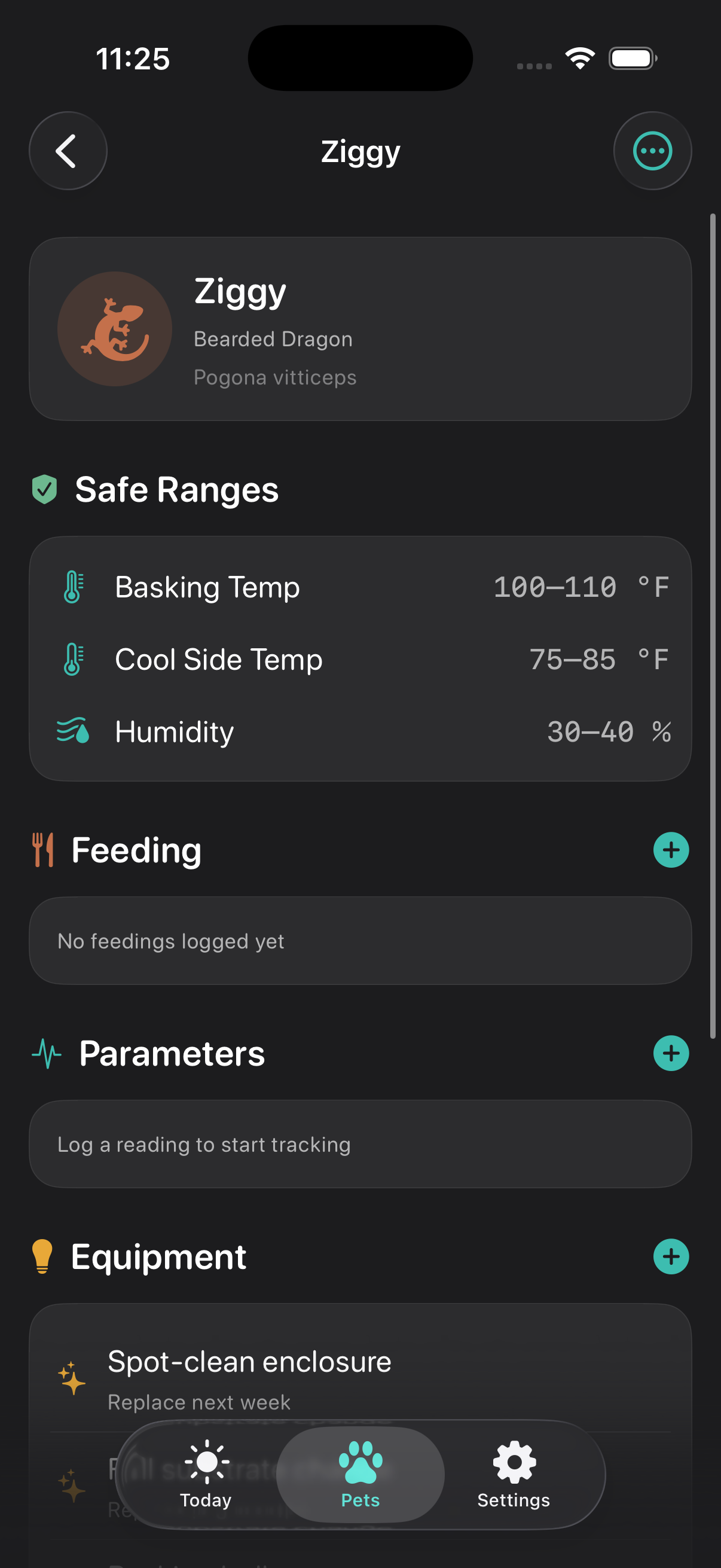
Keep this reference: temperature 78 to 80F, pH 6.5 to 7.5, ammonia 0 ppm, nitrite 0 ppm, nitrate under 20 ppm, in 5 gallons or more. Test weekly with a liquid kit, since paper strips are less accurate. Do regular partial water changes to keep nitrate from creeping up over time.
| Parameter | Safe range | Notes |
|---|---|---|
| Temperature | 78 to 80F | Heater required |
| pH | 6.5 to 7.5 | Stability over exact value |
| Ammonia | 0 ppm | Toxic at any level |
| Nitrite | 0 ppm | Toxic at any level |
| Nitrate | Under 20 ppm | Lower with water changes |
| Tank size | 5 gallons or more | Bigger is more stable |
Key takeaways
- Hold 78 to 80F, pH 6.5 to 7.5, ammonia and nitrite at 0, and nitrate under 20 ppm.
- A betta needs a heated, filtered, cycled tank of at least 5 gallons, not a bowl.
- Cold water and an uncycled tank are the two most common betta killers.
- Cycle the tank before adding the fish to avoid lethal ammonia and nitrite spikes.
- Test weekly with a liquid kit and keep nitrate low with partial water changes.
Frequently asked questions
- Can a betta live in an unheated bowl?
- It can survive for a while but not thrive. Bettas are tropical and need water held at 78 to 80F, which a room-temperature bowl rarely provides. Cold water weakens the immune system, dulls activity and shortens lifespan. A small unfiltered bowl also lets ammonia build fast. A heated, filtered 5 gallon tank is the proper minimum.
- How often should I do water changes for a betta?
- In a cycled 5 gallon tank, a 25 to 30 percent partial water change weekly usually keeps nitrate under 20 ppm. Use a dechlorinator and match the new water's temperature. Test first and adjust frequency to your readings. Smaller tanks need more frequent changes because waste concentrates faster in less water.
- What pH is best for a betta fish?
- Bettas do well across a pH of 6.5 to 7.5, and stability matters more than hitting an exact number. Chasing a precise pH with chemicals often causes harmful swings. Most tap water sits in a workable range once dechlorinated. Test occasionally, avoid sudden shifts, and let the fish acclimate to a steady value.
- Why is my betta lethargic and clamping its fins?
- Cold water is a leading cause, so check the temperature first; below the mid-70s bettas slow down and clamp their fins. Ammonia or nitrite above zero from an uncycled tank also causes lethargy and stress. Test the water, confirm the heater works, and correct any spike with a water change before suspecting disease.
Exotic Pet Husbandry Research, BigBalli. We translate aquarium care into daily, trackable numbers, cross-checked against sources including the PDSA and the US EPA.
Crittora provides husbandry and educational information, not veterinary advice. Persistent illness, fin rot, or fish that stop eating may need help from an aquatic vet or experienced fishkeeper.